The 9 P.M. List: Your One-Page Neighborhood Care Map
Photo: August Macke, Public domain, via Wikimedia Commons
Most of us have a mental map of our neighborhood that is built for good days: the coffee shop, the school pickup lane, the grocery store with the good parking. Then something goes sideways. A child wakes up with a fever at 9 p.m. Your mother calls because she feels dizzy. You get a bill you do not understand, or a prescription needs a refill before a holiday weekend. Suddenly you are doing frantic searches and asking a group chat for help.
A neighborhood care map is not a disaster binder. It is a single page that answers one question: who do I call, where do I go, and what do I need to bring? The goal is not to plan for every emergency. It is to remove the scramble from the first ten minutes of a stressful moment.
Why a short list beats a perfect plan
Women are often the default researchers in a household. We are the ones who notice the weird rash, remember the pediatrician’s after-hours line, and know which urgent care actually takes our insurance. That knowledge usually lives in our heads—until we are tired, worried, or both.
Putting it on paper does two things. First, it gets the information out of your overloaded brain. Second, it makes the plan shareable. A partner, a babysitter, a neighbor, or an aging parent can use the same page without calling you five times. That is community connection in its most practical form.
Start with six anchors, not twenty
You can build a useful first draft in about ten minutes. Open a blank document or take a piece of paper and list six categories. Do not aim for exhaustive. Aim for findable.
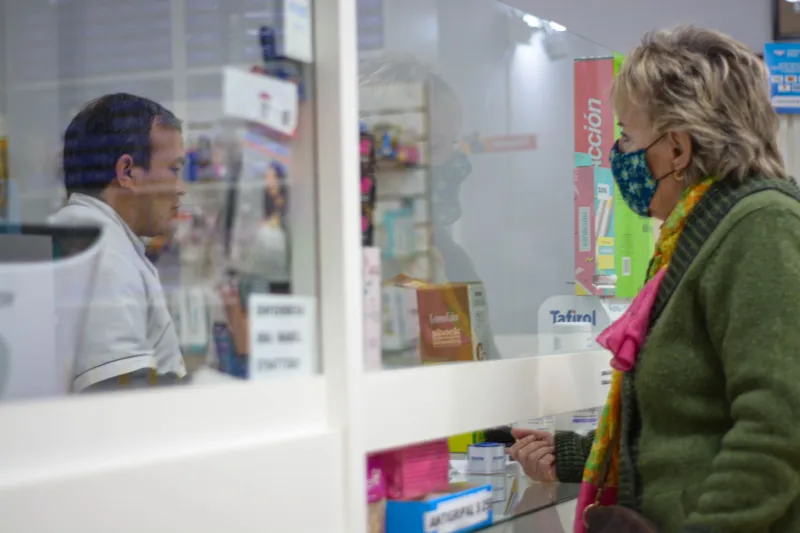
- Pharmacy. Include the one closest to home, the one with the latest hours, and the one that delivers. Note the phone number and whether they have a drive-through. If you use a specialty pharmacy, add that too.
- Urgent care. Pick one or two that are in your insurance network. Write down the address, hours, and whether they take walk-ins. Add a note about when to skip urgent care and go to the emergency room instead—chest pain, trouble breathing, signs of stroke, severe bleeding.
- Trusted clinic or doctor. This might be your primary care office, your OB-GYN, or a community health center. Include the after-hours line if there is one. If you have a child, add the pediatrician.
- Community center or library. These are not just nice-to-have. Many libraries offer computers, printing, notary services, English classes, and quiet rooms. Community centers often host food distributions, parent groups, and health screenings. Write down the main desk number.
- Food resource. If money is tight, or if you are helping someone else, know one nearby pantry or food distribution. In the US, 211 is a free, confidential line that connects people to food, housing, utilities, and health resources. Add 211 to the page even if you never expect to use it.
- Transportation. This is the one people forget. If you cannot drive, who can you call? Is there a bus line, a rideshare option, or a Medicaid transportation benefit? If you are caring for an older adult, note whether they have a ride service through their insurance or senior center.
Verify the boring details once
A list of names is not a care map. The useful part is the small print. Spend a few minutes checking hours, insurance, and access. Call the main number or check the website, but do not assume the website is current—especially around holidays.
Ask these questions:
- Are you in my insurance network? If you are uninsured, ask about sliding-scale fees.
- What are your actual hours today? Holiday hours and weekend hours are different from Monday-through-Friday.
- Do you take walk-ins, or do I need an appointment?
- What should I bring? Insurance card, ID, medication list, copay.
- Is there language support? If you or someone you love needs interpretation, ask whether it is available by phone or in person.
- How do I get there? Note parking, bus stops, and whether the entrance is accessible.
This is also a good moment to check your insurance portal for telehealth options. Many plans include a 24-hour nurse line or virtual visit. That can be the difference between a 9 p.m. panic and a calm conversation with a clinician.
Keep it to one page
A care map that lives in a three-ring binder is a care map nobody opens. Keep it to one page. Use plain language. Put the most urgent numbers at the top. If you want to be fancy, make two columns: “Call first” and “Go here.”
Add a short note at the bottom: “If this is a life-threatening emergency, call 911.” That sounds obvious until you are the one panicking.
Share it with the people who count on you
A care map is not a private document. Send a photo of it to your partner, your babysitter, your adult child, or the neighbor who watches your dog. Put a copy on the fridge and another in your phone’s notes app. If you are caring for an aging parent, make a version for their kitchen too—with larger type and the numbers they are most likely to use.
This is where the community part comes in. Once you have your map, ask one or two neighbors if they have one. Trade the name of a good urgent care or a pharmacy that delivers. You do not need to become best friends. You just need to know who has the information when the power goes out or the roads are bad.
Recheck it twice a year
Care maps go stale. Clinics move. Pharmacies change hours. Insurance networks shift. Pick two dates you will remember—the start of summer and the start of the school year, or your birthday and New Year’s Day—and spend five minutes updating the page.
You are not trying to be ready for everything. You are trying to be ready for the first ten minutes. That is enough. The rest can be figured out with a phone call, a neighbor, and a page that tells you where to start.