The Backup Parent Is Allowed to Be Sick: Your 30-Minute Household Fire Drill

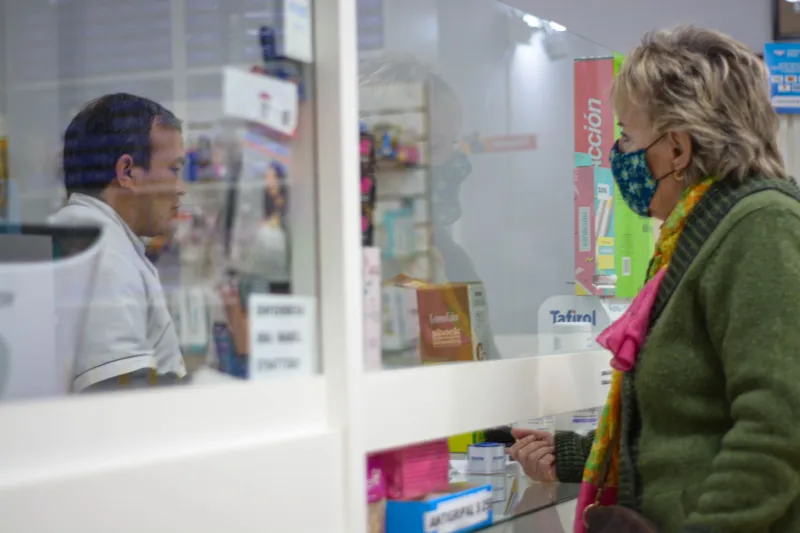
Photo: Txllxt TxllxT, CC BY-SA 4.0, via Wikimedia Commons
There is a particular kind of quiet that settles over a house when the default parent gets sick. Not peaceful quiet. The other kind—the one where everyone stands in the kitchen asking where the thermometers are and whether Tuesday’s pickup is at 3:00 or 3:15. Flu season runs from November to March, and most households have a plan for the kids getting sick. Far fewer have a plan for the adult who usually runs the plan.
This is not a lecture about self-care. It is a fire drill. A fire drill does not mean you expect the house to burn down. It means you want everyone to know where the stairs are. The same logic applies here: half an hour of preparation can keep a sick week from becoming a household crisis.
Start With the Uncomfortable Part
In many homes, one adult is the human version of a shared calendar, a medication log, and a school directory. That works fine until that adult is the one in bed with a fever. The goal of a sick-day fire drill is not to make you replaceable. It is to reduce the number of decisions that have to travel through your throbbing head while you are trying to rest.
You do not need a binder. You need one page, a pen, and a timer. If you have a partner, do this together. If you are parenting solo, do it with a trusted friend or relative on speakerphone. The point is to get the information out of your brain and onto paper before you need it.
The One-Page Fire Drill, Block by Block
Set a 30-minute timer and fill in six sections. Keep it ugly. A messy page on the fridge beats a beautiful system you never finish.
1. School and childcare
Write down pickup times, dismissal locations, teacher or caregiver names, and the phone numbers you actually use. Add the school office line, not just the app. Note any authorized pickup adults and the process for adding someone temporarily. Include one neighbor or nearby parent who could cover a 20-minute gap. That last line is the one people forget, and it is often the one that saves the day.
2. Meals
List three dinners that require almost no thinking: pasta and frozen vegetables, quesadillas, soup from a carton. Add who shops for what and where the backup takeout menu lives. Decide now on a small convenience budget for sick weeks. This is not the time to prove anything with a sheet pan.
3. Medications and health basics
Write down the pharmacy name and address, insurance card location, pediatrician number, and who gives which medication at what dose. Add where the thermometer, fever reducers, and nasal saline live. If you have kids with inhalers or epinephrine, note where those are kept and who has been trained to use them.
4. Pets
Feeding schedule, leash location, vet number, and who can walk the dog if nobody is home at 5:30. If a neighbor has a key, say so on the page. Do not assume everyone in the house knows the cat’s medication schedule. They do not.
5. Work and deadlines
Write one sentence you can send your manager or clients: “I’m down with the flu and offline today. I’ll flag anything urgent by 10 a.m. tomorrow.” List the two tasks that genuinely cannot wait and the ones that can. Share that list with your partner or a coworker. A sick day is not a productivity test.
6. Backup adults
Name two people, not one. A single backup is a wish; two backups are a plan. Text them before flu season: “We’re making a sick-day list. Can I put you down as a maybe for school pickup or a grocery run?” Ask what they would need from you in return. Community care works best when it is specific and reciprocal.
Build the Bedside Kit Before You Need It
Use a small bin or basket. Add a water bottle, tissues, a thermometer, fever reducers, crackers or electrolyte packets, a phone charger, an eye mask, lip balm, and a notepad. Restock it once a month. The kit is not fancy. It is a kindness you leave for your future self.
Delegate Without a TED Talk
When you are sick, the temptation is to either do everything yourself or deliver a long speech about mental load. Neither helps. Use specific requests instead. “Can you handle Tuesday and Thursday pickup?” is easier to answer than “Can you help more?” Write the request on the fire drill page. Lower your standards for dinner, laundry, and screen time. Say thank you. Skip the lecture. You can have the bigger conversation when your fever is gone.
The Community Layer
A sick-day fire drill is a small piece of neighborhood infrastructure. It is the text chain that says, “I’m down. Can anyone grab my kid from the bus stop?” It is the friend who drops soup on the porch and does not stay to chat. It is the school parent who knows the dismissal routine because you once covered for her. You do not need a formal village. You need a few specific names and the willingness to ask before you are desperate.
When It Is Already Happening
If you are sick right now, skip the perfection. Pick the three non-negotiables: children safe, medications given, pets fed. Cancel what can be canceled. Use paper plates. Let the laundry wait. Call the advice nurse if you are unsure. Tell your kids plainly that you are resting and that another adult is in charge. Then go back to bed.
The 30-Minute Timer
Five minutes for the calendar. Ten minutes for phone numbers and school details. Ten minutes for meals, pets, and medications. Five minutes to text two backup adults. Put the page on the fridge and take a photo of it. Review it in January when the flu season is still grinding along.
The goal is not a flawless household. The goal is a softer landing. You are allowed to be the one in bed. A little planning just makes it easier for everyone else to let you stay there.