Your Pharmacist Is the Free Health Resource You Keep Walking Past
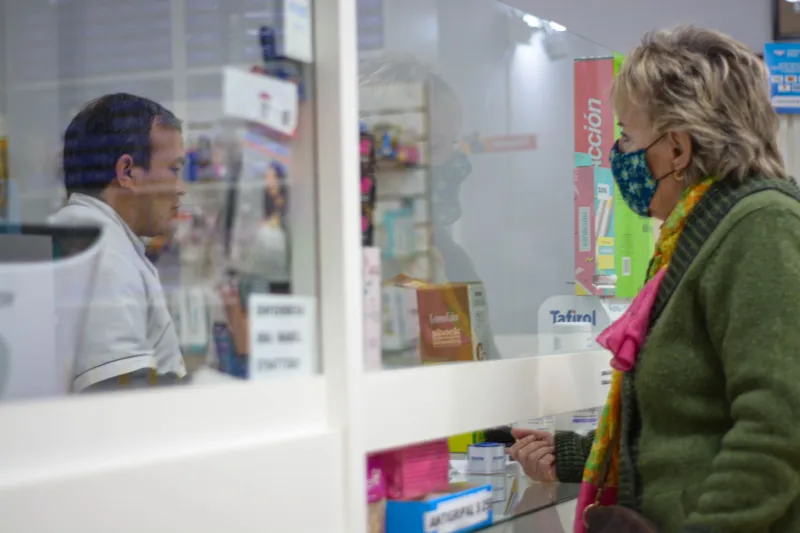
Pickup windows are strange little thresholds. On one side, you are a person with a bag of prescriptions and a tote full of questions. On the other side, someone has a computer screen, a drug database, and ten minutes of expertise that most of us never think to ask for. At Pendik Kadın, we talk a lot about community connection. The pharmacy counter may be the most underused connection in your neighborhood.
The pharmacist is not just the person who counts pills. In the US, pharmacists are medication experts who can review interactions, explain side effects, compare costs, and in many states provide vaccines and some screenings without a doctor's appointment. You do not need a referral. You usually do not need a copay just to ask a question. You do need to start the conversation.
Why the counter beats a search engine
A search engine does not know your full medication list, your kidney function, your insurance formulary, or the supplement you started last month because a friend recommended it. A pharmacist can look at the whole picture. They can spot a duplicate therapy, a drug that should not be taken with grapefruit, or a cheaper generic that works the same way. They can also tell you whether a side effect is common, manageable, or worth a call to your clinician.
This is not about second-guessing your doctor. It is about adding a free layer of safety and convenience. Think of the pharmacist as the person who translates the prescription into daily life.
Four questions that do the most work
You do not need a medical vocabulary. You need a short list. Bring the bag, not just the bottle. Include over-the-counter drugs, vitamins, herbal teas, sleep aids, and anything you borrow from a family member. Then ask:
- 'I take these medications and supplements. Can you check for interactions and duplicates?' This is the big one. It catches problems that happen when prescriptions from different clinicians overlap.
- 'Is there a generic or preferred option that would cost less?' Ask for the cash price as well as the insurance copay. Sometimes a 90-day supply, a different strength, or a formulary alternative changes the math. If a coupon or discount program comes up, ask the pharmacist to check whether it works with your insurance.
- 'When should I take this around sleep and meals?' Timing is not trivia. A pill that keeps you awake at 8 p.m. may work better at breakfast. A medication that upsets your stomach may be easier with food. Ask whether the schedule can flex around your real life.
- 'What side effects should I watch for, and when should I call you or my doctor?' Ask for the common, the annoying, and the urgent. Write down the urgent ones. Ask what to do if you miss a dose.
The vaccines and screenings hiding in plain sight
Many people still assume vaccines require a separate office visit. In most states, pharmacists can administer flu, COVID-19, shingles, Tdap, and pneumococcal vaccines, and some can give others based on age, health conditions, and state rules. Some pharmacies also offer blood pressure checks, blood glucose screening, cholesterol testing, and travel consultations. Rules vary by state and by pharmacy, so ask directly: 'Which preventive services can you provide here without a doctor's visit?'
Bring your insurance card and your vaccine record if you have it. Ask whether the service is covered as preventive care. If you are on Medicare, ask whether the pharmacy can bill Part B or Part D for the vaccine. If you are privately insured, ask whether the pharmacist is in network. The answer can save you a copay and a trip across town.
How to make ten minutes count
Call ahead and ask when the pharmacist is least rushed. Mid-morning on a weekday is often better than the after-work crush. Bring a written list or a photo of your medication labels. If you use several pharmacies, say so. If you use mail order for maintenance drugs, tell the pharmacist. Ask for a printout of your medication list and keep it in your purse or phone.
If you are caring for someone else, ask about adherence packaging, refill synchronization, and delivery. Those services can turn a pile of bottles into a manageable routine. And if you feel rushed, ask for a scheduled consultation. Many pharmacies offer them, sometimes at no charge.
Your printable counter script
Copy this into your phone notes or print it small enough for your wallet:
- My medications and supplements: list them, including doses.
- Please check for interactions, duplicates, and anything that should not be taken together.
- Is there a lower-cost generic or preferred formulary option?
- What is the best time of day, and does it matter with food?
- What side effects are common, and which ones mean I should call?
- Which vaccines or screenings can you provide here in this state?
- Can you print my medication list for my records?
The takeaway
The pharmacy counter is not a drive-through. It is a conversation waiting to happen. The next time you pick up a refill, ask one question. Then ask another. That small habit can lower your costs, reduce avoidable side effects, and give you a health ally who is already part of your neighborhood. For Pendik Kadın readers, that is community connection in its most practical form: a few minutes at the counter, a clearer plan in your purse, and one less thing to worry about.