The Waiting-Room Worksheet: Your Two-Day Plan for a Same-Day Procedure
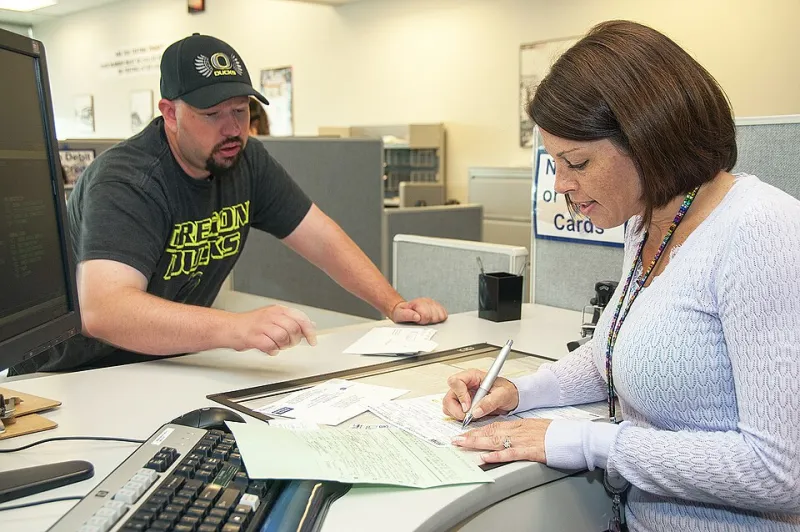
Photo: Oregon Department of Transportation, CC BY 2.0, via Wikimedia Commons
Same-day procedures have a way of making the practical stuff feel invisible. You show up, get checked in, get wheeled back, and then suddenly someone is handing you a discharge folder and a juice box while your brain is still catching up. The instructions are usually good. The problem is that they arrive when you are least able to organize them.
That is where a simple piece of paper helps. Not a giant medical binder. Not a frantic group text. One sheet, filled out before the appointment, that tells the person helping you what actually needs to happen in the first 48 hours. Think of it as a recovery worksheet you complete in the waiting room — or the night before — so support becomes specific instead of sympathetic but vague.
Why a Sheet Beats a Text Thread
“Let me know if you need anything” is kind. It is also useless at 7:40 the next morning when you cannot remember whether the pain pill is supposed to go with food and your friend is already at the pharmacy. A written plan gives your support person a job description. It also protects you from having to make dozens of small decisions while tired, sore, or still blinking through sedation.
The goal is not to control recovery. Bodies do not follow worksheets. The goal is to make the first two days easier to navigate, especially if you live alone or your usual helper is not a natural planner.
Before You Go: Name Your People
You need two roles, not a crowd. The first is your ride. Many outpatient centers require a responsible adult to drive you home and stay with you for a period of time. Ask the facility what they require, because a rideshare alone may not count. The second is your check-in person — someone who can text or call at set times, refill water, pick up a prescription, or simply confirm that you are awake and okay.
Write their names on the sheet. Add phone numbers. If your ride and your check-in person are the same human, that is fine. Just make the expectations clear before the day gets busy.
The Waiting-Room Worksheet
Fill this out before your name is called. Keep it on your phone or print it. Give a copy to your ride.
1. The Basics
- My procedure date: ____________
- Facility and floor: ____________
- My ride’s name and number: ____________
- My check-in person’s name and number: ____________
- Pharmacy I use: ____________
- Insurance card location: ____________
2. The Medication Clock
Ask the discharge nurse to write down the exact timing, not just the medication name. You want to know what to take, when, with food or without, and what to skip.
- Pain medication #1: name ____________ dose ____________ time ____________
- Pain medication #2: name ____________ dose ____________ time ____________
- Anti-nausea medication, if prescribed: ____________
- Medication I should pause: ____________
- Next dose is due at: ____________
Set phone alarms before you leave the building. Do not rely on memory. Sedation and pain can make time feel slippery.
3. Food and Water
Write down what the discharge team says about eating and drinking. Some procedures have restrictions; others do not. Keep the first day simple: crackers, broth, toast, applesauce, yogurt, soup. Nothing heroic. If a friend offers to bring food, tell them “soft, bland, and easy to reheat” instead of “whatever.”
- I can start drinking: ____________
- I can start eating: ____________
- Foods that are easy for me: ____________
- Foods to avoid for now: ____________
4. The Body Check
You do not need to inspect every inch of yourself. You do need to know what is normal and what is not. Before discharge, ask what swelling, bleeding, bruising, sore throat, or fatigue is expected. Then write down the line that means “call the office” and the line that means “get help now.”
- Expected symptoms: ____________
- Call the office if: ____________
- Seek urgent help if: ____________
- After-hours number: ____________
5. The Red-Flag Call List
Put the numbers in one place: the facility’s recovery line, your pharmacy, your primary care office, and one person who can drive you if plans change. If you are alone, add a neighbor or friend who has agreed to be a backup.
The Questions to Ask Before Discharge
Do not feel rushed because the room is busy or the nurse is juggling three other patients. Ask these out loud and write the answers down:
- What exactly was done today, in plain language?
- What should I expect to feel like tonight and tomorrow morning?
- When should I take the first dose of each medication?
- Can I shower? When? Any dressing changes?
- How much walking is okay today?
- What should I not do for the next 48 hours — driving, lifting, stairs, work, exercise?
- Who do I call after hours if something feels wrong?
- What would make you want me to go to urgent care or the ER?
If you are too groggy to absorb the answers, your ride should ask. That is part of the job.
Hand It Over, Don’t Wing It
Before you go back, text a photo of the completed sheet to your support person. Better yet, hand them the paper. Say: “Here is what I need. Please set the medication alarms, pick up the prescription if it is not ready, and check on me at these times.” That is not bossy. It is clear.
A good first 48 hours is not about being brave or bouncing back fast. It is about boring logistics done kindly: a ride that waits, a water bottle within reach, a phone charger near the couch, a friend who texts at the right time, and a sheet on the counter that answers the question before you have to ask it.
Pendik Kadın’s advice is simple here: make the plan small enough to actually use. One page. One ride. One check-in. The rest can wait until you have had a nap.