Steady at Home: The 20-Minute Fall-Prevention Sweep Every Woman Over 50 Can Do Tonight

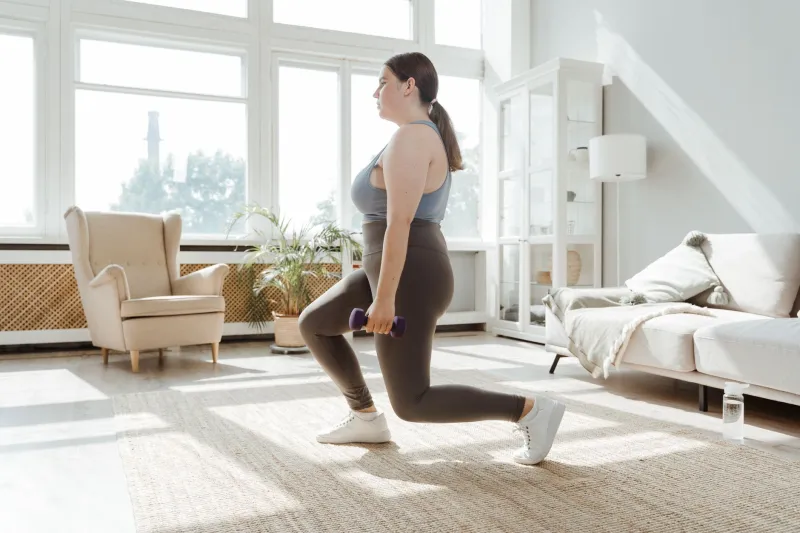
Photo: Canny Kay, CC BY-SA 4.0, via Wikimedia Commons
Winter has a way of adding friction to everyday movement. Extra layers, earlier sunsets, wet shoes by the door, and a house that suddenly feels darker at 4:30 p.m. None of that means you are fragile. It means your environment changes with the season, and your home should change with it.
A fall-prevention audit is not a referendum on your balance or your age. It is a short, practical walkthrough—the kind of thing you would do before guests arrive, except the guest is your future self. Twenty minutes, one room at a time, and a short list of fixes. That is the whole plan.
Begin at the sock drawer, not the staircase
Most fall-prevention advice starts with stairs, but stairs are dramatic. Sock drawers are where the quiet risks live. Take everything out and ask three questions: Does the sole have any grip left? Is the elastic still doing its job? Do these socks fit, or do they bunch under your heel?
Retire the loose, slick socks and the slippers that slide off mid-step. Keep a small basket by the door for shoes with actual treads, and wear them indoors if your floors are hard. If you love a soft slipper, look for a back and a rubber sole. Cute matters; traction matters more.
The hallway is a runway, so light it like one
Walk your main path—bedroom to bathroom, kitchen to living room—at night with the lights you normally use. Notice where you squint. That is where a nightlight belongs. Motion-sensor plug-ins are cheap, easy to install, and kinder than fumbling for a switch.
Then look down. Are there cords crossing the path? Rugs with curled corners? A stack of books that has become furniture? Tape down cords, add double-sided rug tape, or remove the rug entirely if it will not behave. A clear path is not an aesthetic choice; it is a safety feature.
The bathroom is where gravity gets bold
Bathrooms combine hard surfaces, water, and rushed middle-of-the-night trips. This is the room where a grab bar earns its keep. Towel racks are not grab bars—they are decorative hope. If you rent, look for suction-style bars rated for weight, or ask your landlord about installing a proper one.
Add a non-slip mat inside and outside the tub or shower. Keep a nightlight on. Move shampoo, towels, and medication to waist height so you are not reaching or bending on a wet floor. None of this is complicated. It is just easier to do when you are standing in the room with a critical eye instead of a shopping list.
Kitchen and living room: clear the daily path
Look at the routes you take a hundred times a day. The coffee maker. The fridge. The chair where you watch television. Are pet bowls in the walking lane? Is the step stool stored where you have to climb to get it? Are frequently used pots and plates on a shelf you can reach without a stretch?
Move the everyday stuff down and the occasional stuff up. Keep a sturdy step stool with a handle, not a wobbly dining chair. If you use a walker or cane, give it a permanent parking spot near the door so it is not a trip hazard.
The medication shelf belongs in the audit
Some fall risks are not on the floor. They are in the pill organizer. Blood pressure medication, sleep aids, allergy medicine, and even some over-the-counter pain relievers can cause dizziness or drowsiness. Do not stop or change anything on your own. Instead, bring your full medication list—prescriptions, supplements, and over-the-counter drugs—to your pharmacist or clinician and ask a direct question: Could any of these affect my balance or make me lightheaded?
Ask about timing, too. If a medication makes you sleepy, taking it earlier in the evening may be safer than at midnight. That is a conversation for your clinician, not a guess.
Swap audits with a neighbor or friend
Here is the part that makes the checklist stick: do not do it alone. Invite a friend, neighbor, or family member to trade 20-minute audits. You walk through their home; they walk through yours. A second set of eyes catches what familiarity hides—the rug you have stepped over for a decade, the lightbulb you stopped noticing was out.
Make it easy. Bring a clipboard, a pen, and two columns: Fix now and Fix this week. Fix now is tape, nightlights, moving a cord. Fix this week is a grab bar, a new pair of shoes, a taller stool. Then set a date to check in. Community is not just a nice idea; it is a follow-through mechanism.
Your short fix-it list
Before you put the clipboard away, choose three things. One you can do tonight. One you can do this weekend. One you will ask for help with. That is enough. You are not trying to make your home fall-proof in a single evening. You are trying to make it steadier than it was yesterday.
Winter will bring ice on the steps and darkness at dinner. Your home can still be the place where you move with confidence. Start with the sock drawer. End with the hallway light. And call a friend when you are done.